












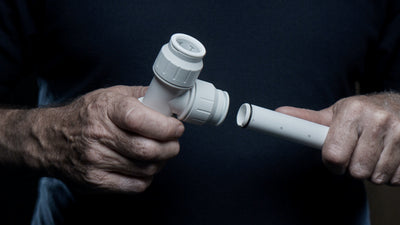
JG Speedfit is one of the most familiar push-fit systems in UK plumbing because it removes much of the fuss from pipework changes. Instead of soldering or tightening compression nuts in tight spaces, installers can join pipe and fittings quickly with a simple push. That makes it popular for domestic water runs, heating circuits, radiator work, and tidy repair jobs where access is awkward. For anyone comparing fitting methods, the appeal is usually speed, flexibility, and a cleaner install.
What Is JG Speedfit Pipe?
JG Speedfit pipe is a push-fit plumbing system designed to connect quickly to matching fittings without heat or specialist tools. In practice, it is used across bathrooms, kitchens, utility spaces, and central heating systems where neat routing and easy assembly matter. Installers often choose it because a run can be altered with minimal disruption, especially around existing pipework. It suits straightforward domestic jobs, but it also handles more complex layouts where rigid methods would slow the work.
Key Benefits of JG Speedfit Pipe
The main advantage is the no tools installation, which can cut labour time dramatically on small and large jobs alike. A clean cut, the right insert, and a firm push are usually all that is needed. Another strong point is that many fittings are demountable, so alterations and repairs are less of a headache if the system changes later. Compared with soldered copper or compression fittings, JG Speedfit pipe is quicker to learn and easier to work in cramped locations.
Sizes, Fittings, and Compatibility
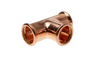
Most domestic installations centre on 15mm and 22mm pipe, with matching connectors for each size. Common accessories include equal tee 15mm fittings, reducing tee options such as 22mm x 22mm x 15mm, and reducers like 22mm x 15mm for transitions between circuits. You will also find elbows, couplers, stop end 15mm parts, and emergency shut off valves for isolating sections of pipe. Choosing the right size is essential; a mismatch can cause poor seating or unnecessary leaks.
| Fitting type | Typical use |
|---|---|
| Equal tee | Split one line into two equal branches |
| Reducing tee | Join a larger main to a smaller run |
| Elbow | Turn corners in tight spaces |
| Stop end | Seal off an unused pipe end |
| Emergency shut off | Isolate water quickly for repairs |
How to Fit JG Speedfit Pipe Safely
Good preparation matters more than force. Cut the pipe square, remove burrs, and make sure the end is clean before it goes into the fitting. Use the correct 15mm pipe coupler or pipe insert pipe insert 22mm, since inserts help the pipe keep its shape and create a more reliable seal. Push the pipe fully home, check the marking depth, then lock the collet if the fitting requires it. Finally, verify alignment and test for leaks before boxing in or closing walls.
Using JG Speedfit Pipe in Common Plumbing Jobs
JG Speedfit pipe is often chosen for hot and cold water runs because it keeps installation tidy and manageable. It also works well on central heating circuits, radiator tails, and appliance connections where changes may be needed later. Small repairs, property extensions, and temporary bypasses benefit from the speed of push-fit assembly. In an emergency shut off situation, the ability to isolate and reconnect sections quickly can save time and reduce disruption.
Choosing the Right Fittings for the Job
Selecting fittings is mostly about flow, space, and the pipe sizes already in place. Use an equal tee when the branch is the same size as the main line, and a reducing tee when a 22mm supply needs to drop to 15mm. Straight connectors work well for repairs, while 90 degree elbows help in compact routes behind units or beneath floors. For 22mm and 15mm transitions, match the fitting exactly to the pipe size. That simple check avoids installation problems and saves repeated rework.
Common Mistakes to Avoid
Most issues come from rushed prep rather than the system itself. A rough cut, missing insert, or pipe end that still carries dirt can prevent a proper seal. Misalignment is another common problem, especially where a pipe is forced into a fitting at an angle. It is also worth checking the system pressure and making sure fittings are suitable for the job. Forcing mismatched parts usually creates more delay than using the correct connector first time.
Maintenance, Removal, and Reuse Tips
Removal is straightforward if the fitting is released properly and the pipe is pulled out straight. Reuse can be acceptable in some cases, but replacement is often the safer choice for heavily worked or visibly worn components. A quick inspection of the collet, seal area, and pipe end helps keep the system dependable over time. If any part looks scored, distorted, or contaminated, swapping it out is usually the better call.
When to Use JG Speedfit Pipe vs Alternatives
JG Speedfit suits projects where speed, access, and neat assembly matter more than traditional methods. Soldered copper still has its place on high-spec or specialist work, while compression fittings can be useful where disassembly is expected. For most DIY upgrades, trade repairs, and time-sensitive installs, push-fit is the practical choice. JG Speedfit pipe gives a solid balance of convenience and reliability when the sizes and fittings are matched correctly.